Ask ten solar salespeople how quickly a system pays for itself and you will get ten different answers, most of them optimistic. The truth is that payback in Pakistan depends heavily on your tariff slab, whether you have net metering, how you finance the equipment, and the quality of the installation itself. This article treats going solar as an investment decision and shows you how to actually calculate the return rather than trust a brochure.
Whether you are a homeowner in Islamabad tired of rising bills or a small business in Karachi trying to protect margins, the framework below helps you separate a genuine deal from a shiny sales pitch.
Understand Your Tariff Before Anything Else
Pakistan’s electricity tariffs are tiered, so the more you consume, the more each additional unit costs. Solar saves you the most on those expensive top slabs. A household bumping into the highest brackets every summer will see a dramatically faster payback than a modest user, simply because every displaced unit was costing far more.
Before you look at a single quote, pull out twelve months of bills and note your average and peak consumption. That consumption profile, not the panel price, is what really drives your return.
Net Metering Changes The Whole Equation
With net metering, the surplus your panels generate during the day is exported to the grid and credited against what you draw at night. In effect the grid becomes a free battery for daytime overproduction. For a grid-tied home, this can shorten payback from many years to just a few, because you are no longer wasting midday generation.
The catch is that net metering approval requires proper documentation, a bidirectional meter, and an installation that meets your distribution company’s standards. This is one reason cutting corners on solar panel installation Pakistan homeowners rely on can quietly sabotage your economics: a sloppy job that fails inspection delays the very credits your payback depends on.
Count The Full System Cost, Not Just Panels
Panels are often the cheapest part of a modern setup. Inverters, mounting structures, protection devices, wiring, labour, and, if you want backup, storage all add up. Batteries in particular can rival or exceed the panel cost, so anyone planning an off-grid or hybrid system needs to budget realistically.
It pays to research the current lithium battery price in Pakistan early, because storage economics shift quickly and a figure you heard last year may be well out of date. Knowing the real number lets you decide honestly whether battery backup earns its place in your budget or whether a grid-tied system without storage delivers a better return.
The Simple Payback Calculation
At its most basic, payback is total system cost divided by annual savings. If a system costs a certain amount and trims your yearly electricity spend by a fifth of that, you recover the investment in about five years, after which the savings are effectively yours to keep.
Refine it by factoring in the slow rise in grid tariffs, which makes your savings grow over time, and the gradual degradation of panels, which is real but modest at well under one percent per year for quality modules. Even conservatively, most well-designed Pakistani systems pay back long before the panels’ 25-year warranty expires.
One number people routinely forget is the opportunity cost of doing nothing. Every month you delay, you hand another full bill to the utility with no asset to show for it. Compared against that baseline, even a five- or six-year payback is attractive, because after the break-even point you are effectively generating free electricity for the remaining fifteen-plus years of the system’s life.
Financing Versus Paying Upfront
Paying cash gives the fastest raw payback, but not everyone can. Several banks now offer solar financing, and the arithmetic still works if your monthly installment is lower than the electricity bill you are eliminating. In that case you are cash-flow positive from month one, even while technically still paying off the system.
Run both scenarios. Sometimes a slightly longer payback on financed equipment is worth it because it frees capital you would rather keep in your business.
Businesses Have A Different Calculus
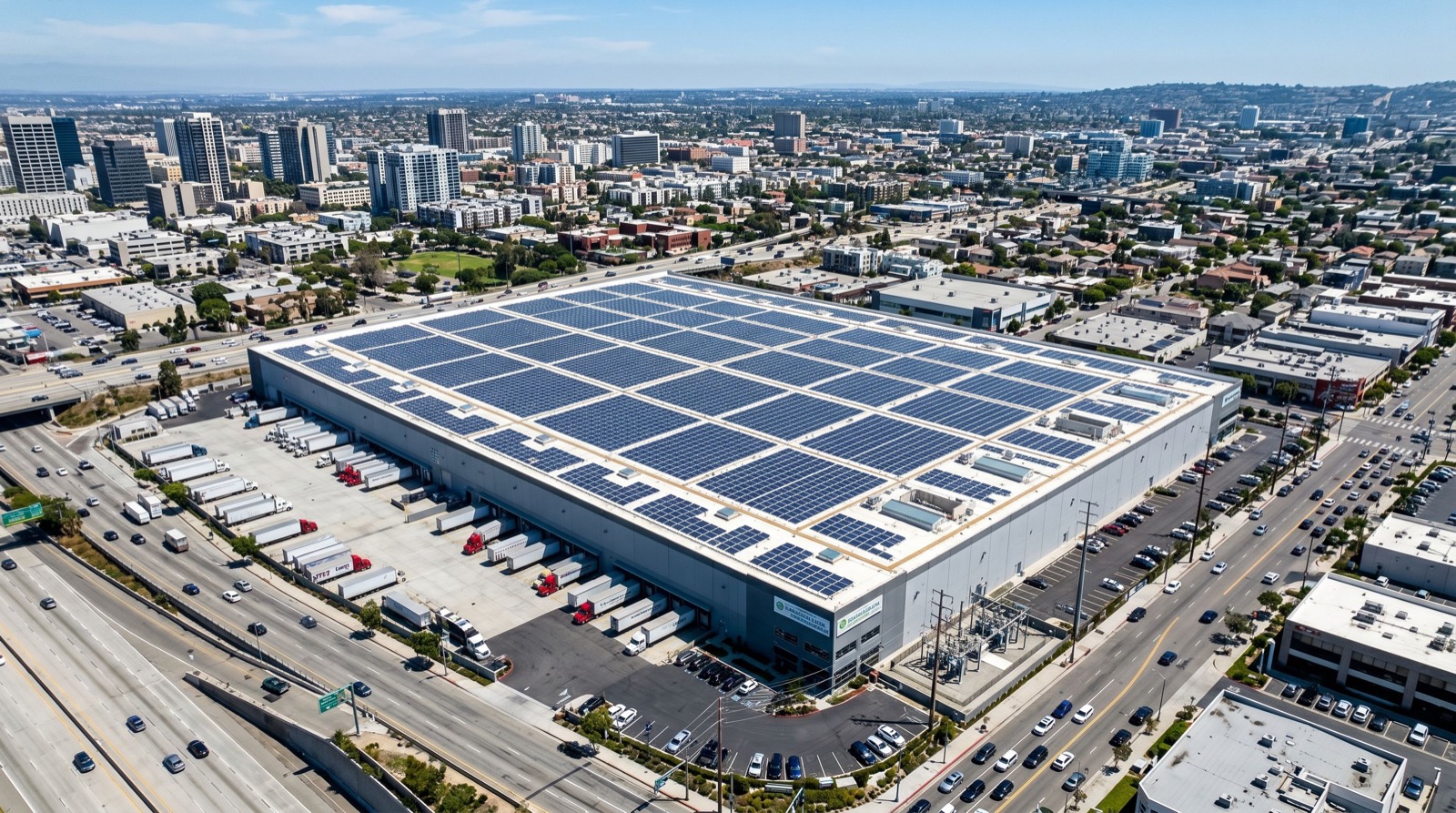
For a commercial user, solar economics often look even better than for a home, and for reasons that go beyond the electricity bill. Many businesses draw power precisely during daylight hours, when panels produce most, so a larger share of generation is consumed on site rather than exported. That self-consumption is worth more than an export credit, which sharpens the return further.
There is also the matter of predictability. A factory or retailer that locks in much of its energy cost for the next two decades gains a planning advantage over competitors still exposed to every tariff hike and fuel-adjustment surcharge. In a market where energy is one of the least controllable expenses, that stability has a value the simple payback formula never fully captures.
Why Installation Quality Protects Your Return
An investment analysis assumes the system performs as promised, and that assumption rests entirely on workmanship. Poorly angled panels lose output, undersized cables waste energy as heat, and loose connections become failure points that cost you generation for weeks before anyone notices.
This is where working with reliable local experts earns its keep. A crew that orients your array correctly, sizes components properly, and completes clean documentation for net metering is not an expense to minimise; it is the thing that makes your projected return actually materialise.
Key Takeaways
- Your tariff slab and consumption profile drive payback more than the sticker price.
- Net metering can slash payback time by turning the grid into free daytime storage.
- Budget for the whole system, especially batteries, not just the panels.
- Refine simple payback with rising tariffs and modest panel degradation.
- Financing can be cash-flow positive from day one if the installment beats your old bill.
Making The Investment Decision
Going solar is one of the few purchases that pays you back and then keeps paying, but only if you treat it like the financial decision it is. Gather your bills, confirm whether net metering is available on your connection, price the complete system honestly, and choose an installer whose quality will preserve the numbers you calculated.
Do that groundwork and the decision usually makes itself. For a home or business staring down years of escalating tariffs, a properly designed system does not just cut a bill, it converts a recurring cost into a productive asset that quietly earns its keep on your roof every sunny day.